


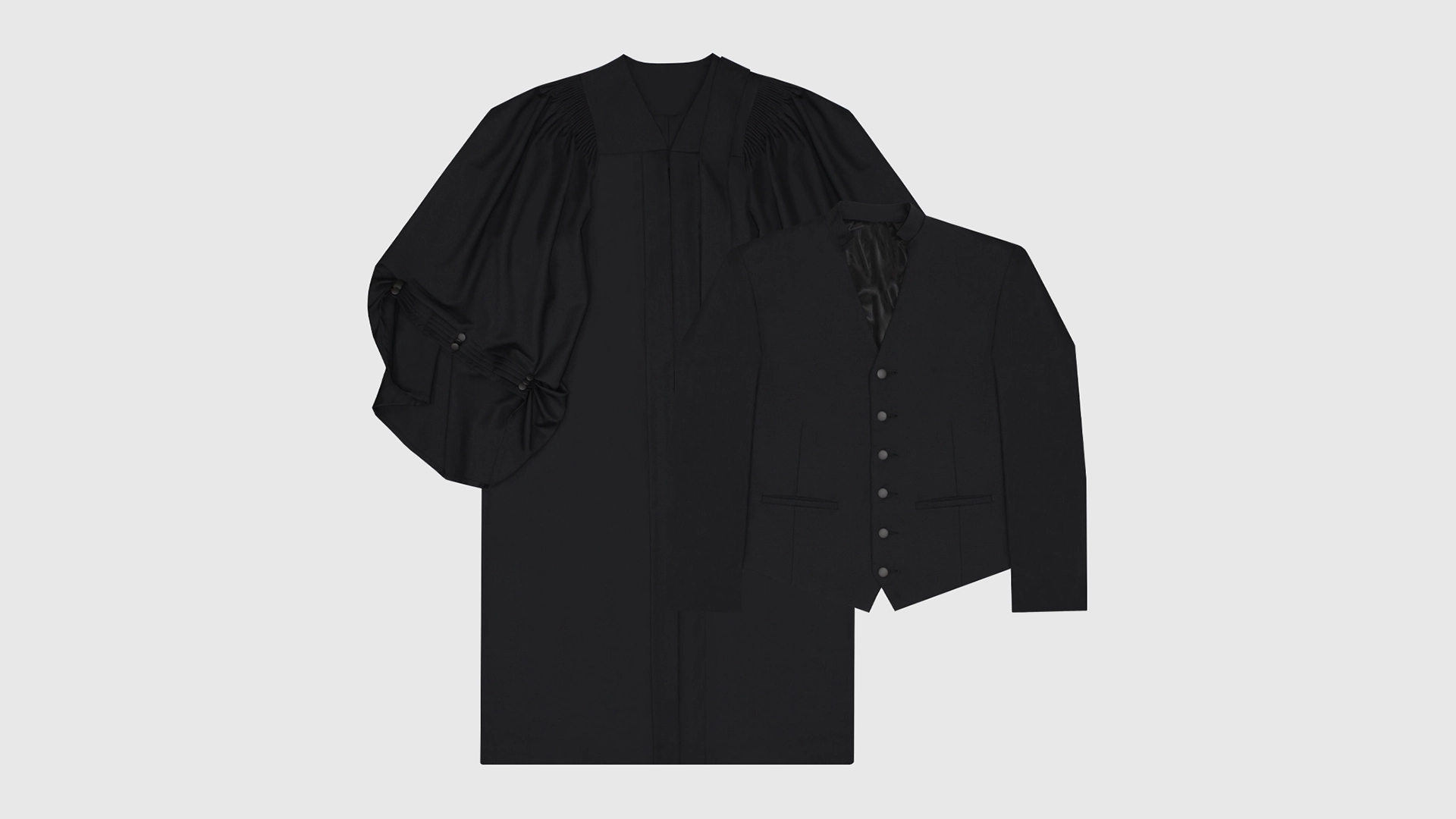


Have you ever wondered why judges wear wigs? It seems like a strange fashion statement, but it is actually tied to the history of legal attire. In centuries gone by, judicial legal attire was always in step with popular fashions and styles so that people could better identify members of the legal community on sight alone. The development from long sleeves dresses and ruffles into spiky black caps were all about responding to what society wanted at any given time.
In recent years some have even suggested putting politics back into courtroom appearances alongside formal wear, while others claim this would make for an overly-showy environment which jurists should avoid altogether. Wigs were a new fad in Western fashion during the seventeenth century. Made from either human or horsehair, they sat very high at the crown and cascaded over your shoulders with curls. Judges started to wear these fashionable wigs when wearing their robes because of how popular they became among wealthy gentlemen who could afford them as well as judges themselves.
Wigs were all the rage in late seventeenth century Europe, but by mid-eighteenth century they had fallen out of fashion with everyone except for legal professionals. This trend continued into early nineteenth century as well and soon wigs became an essential part of a lawyer’s uniform. For centuries, judges and lawyers in Britain have worn elaborate wigs to symbolize their authority. Today the Queen’s Counsel still wear full-bottomed wigs for ceremonial occasions while bench wig is customary for daily courtroom proceedings. Barristers are known as “bar” because they sit at a bar or railing that separates them from witnesses on one side and members of the public on another; these 16th century professionals continue this tradition with tie-wig which sits back from forehead exposing hairline but not scalp like earlier styles.