


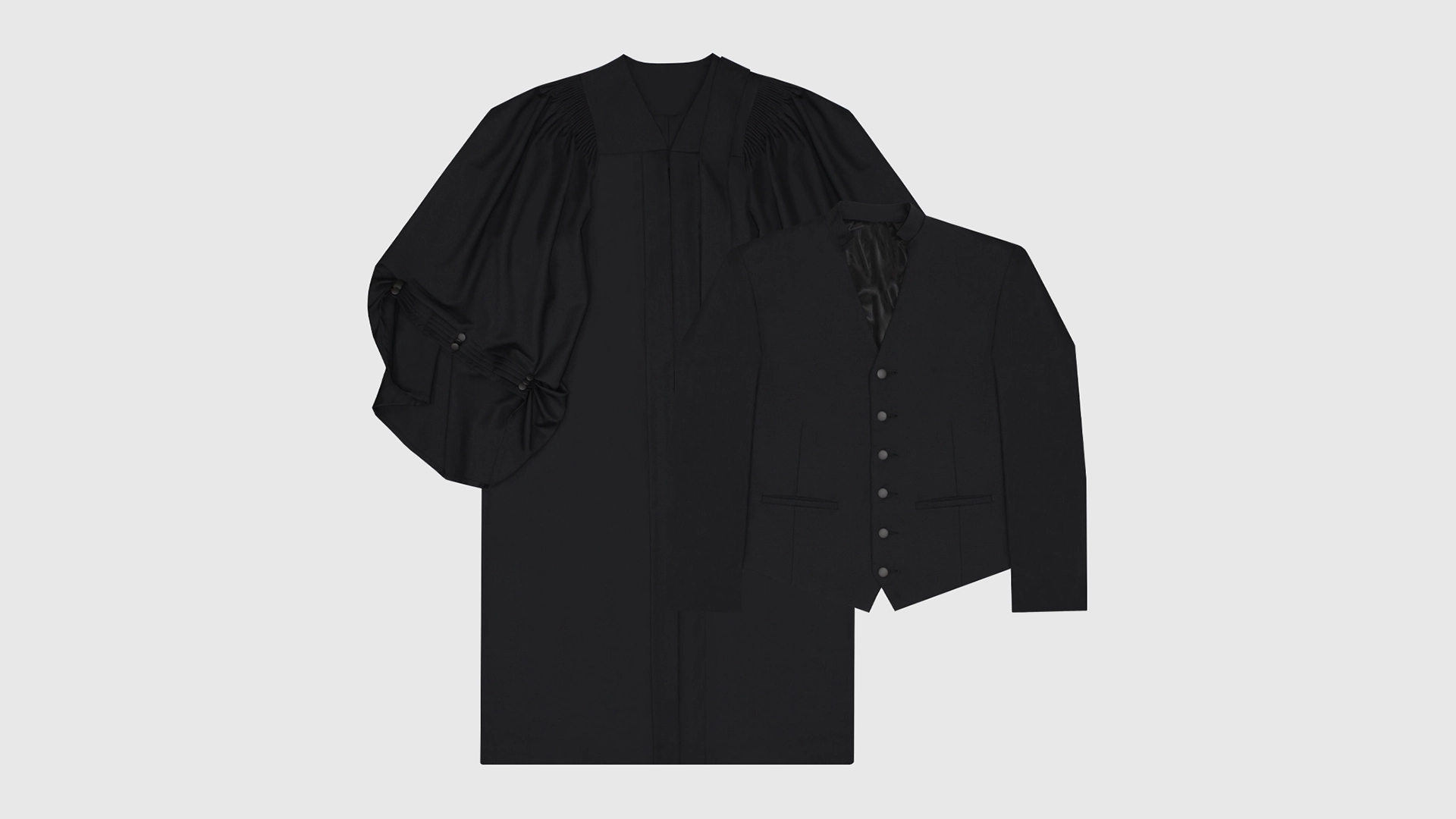


During the fifteenth and sixteenth centuries, medieval European judicial attire was as varied as it is today. However, ecclesiastical costume history showed that there were some general similarities in basic legal attire between nations: such items might include a wide-brimmed black hat with tails to cover one’s head; long boots for riding (though not always); or even grand ducal robes when on circuit through other countries.Judges of the early modern period wore sleeved tunics, and over this, wide-sleeved pleated gowns or robes made from cloth, wool or silk. This garment was sometimes referred to as a supertunica; high judges might wear tabards instead.
Judges in medieval times often had no formal dress code so they typically found themselves wearing what were called “supertunicas”. These garments consisted primarily of long coats worn by monks that later became more popular for all kinds of official purposes such as judging sessions on court days. Sometimes these would be seen with sleeves but most often without them which meant you could see their undershirt underneath – similar to how some people today may need an extra layer during cold winter months. Judges used to wear closed mantles that cover the shoulders and a hood of matching fabric lined with miniver. Their ceremonial cloak was called an armelausa, which is also known as a manteau in France.
Despite the abundance of information on judicial attire, there was little uniformity in color. James Robinson Planché summarized this point well in his Cyclopædia of Costume: “Unfortunately, descriptions are not so clear as they are copious”. Royalty often took a liking to dressing judges in elaborately decorated garments. Colors were used as a way of representing rank, and scarlet reds would be reserved for presiding judges while lower ranking officials wore the less ostentatious hues like pink or violets. The Justices of the Peace were in a constant fight with those that would break the king’s laws. They often wore legal attire, which was appropriate for their middle-class rank and class to make sure they could blend into any village or town without being noticed right away as an outsider.
The head always needs to be covered, and in early modern times it was common for judges to wear a coif along with other articles of clothing that signified their status as educated members of society. The judge’s attire could include white lawn or silk caps on the top of his/her head which resembled academic dress worn by those who possessed doctorate degrees at this time period. The Order of the Coif was a group who ranked as “high-ranking” and were in charge of appointing judges across Europe. Judges often wore hats on top their caps, so they would not lose it during court proceedings.