


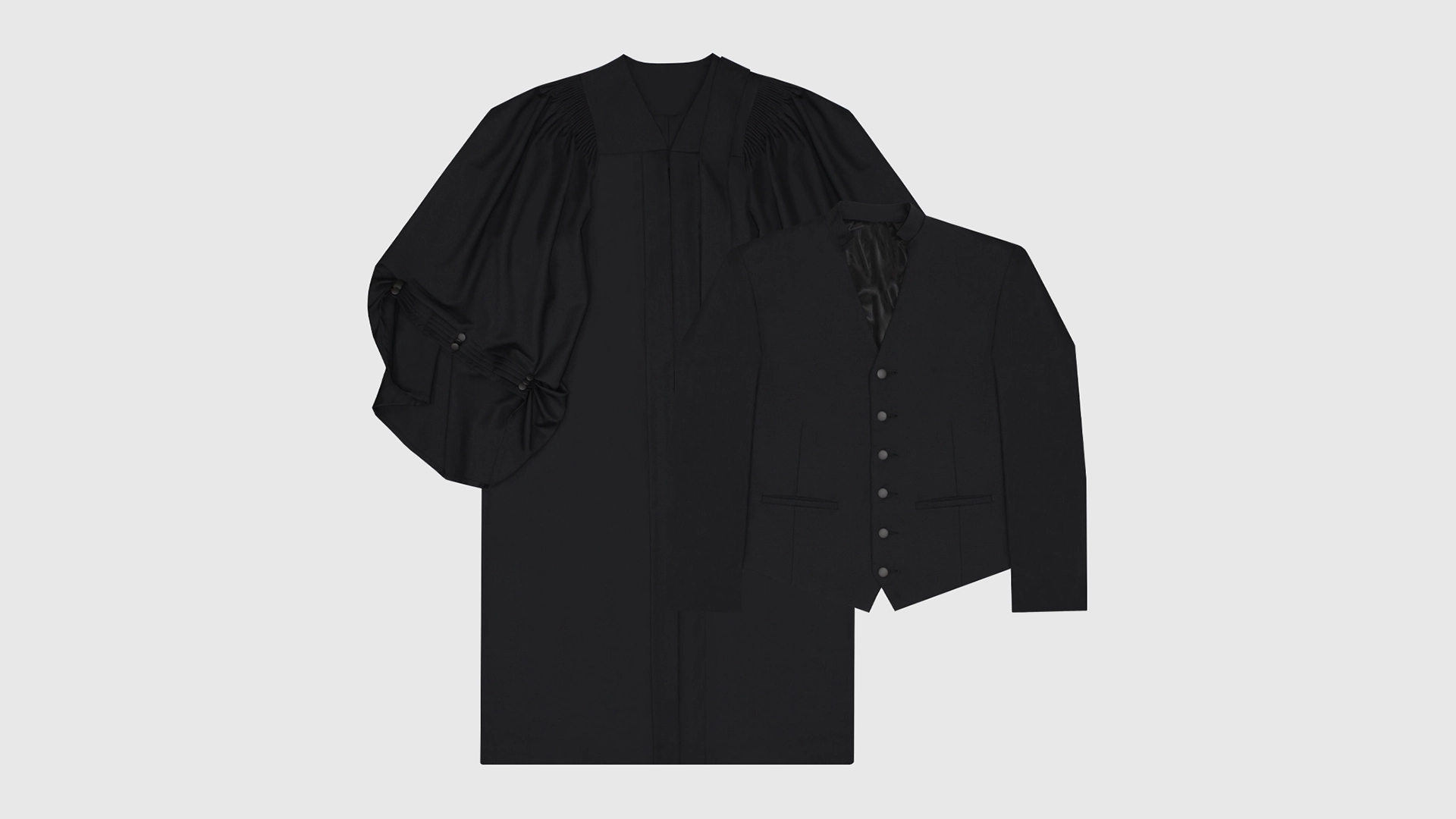


In the seventeenth century, it became customary for people in legal and judicial communities to wear legal attire. The styles put into place back then have persisted today with slight modifications. For example, collars and sleeves are no longer popularly worn like they were centuries ago but rather according to what is fashionable at any given time which was shown by monarchical taste within a specific era of history as well as society’s more general sense of fashion trends that change over time – all while still maintaining its original purpose: To appear professional during important meetings or events where respectability matters most. In Britain, judges and court clerks are required to wear black silk or stuff gowns over suits. These complex dress codes have existed for centuries in order to maintain a sense of decorum within the courtroom. There is a new fashion in the courtroom. Judges are wearing more black robes than they have since before their time became monotonous and procedural. The high court, district courts, or circuit courts all prescribe to some degree that judges wear them throughout proceedings for maximum effect on observers.
Judges are called to add or remove cuffs, scarves, mantles and hoods of varying color and fabric at different time. The colors denote what type of case the judge presides over red for criminal cases, black for civil suits, green in springtime when nature is beginning to grow again (as a symbol that life goes on), grey during winter months as it typically remains cold outside with little hope left after days pass without snow melting away
More frequently judges wear colored robes which represent the court they will be presiding over. Scarlet robes remain reserved only for ceremonial occasions such as high-court criminal trials held during winter because their meaning represents justice via blood spilled between two people who have committed murder so there’s no turning back from this. Judges often forgo their robes and wigs due to weather or other special circumstances, such as when they are hearing a case involving children. In court, barristers must wear black silk gowns with tie-wigs connected by bands of rank.
Wigs and robes are reserved for British judges. These men wear wigs while they preside in a courtroom setting, but solicitors and lower court officials do not need to worry about it because their main place of employment is out on the street. The job description may have changed over time since Justices of Peace now only exist as an honorific title conferred upon certain magistrates or senior members of the judiciary with limited powers; these positions were at one point occupied by people who wore special dress such as a wig when performing their duties, so there’s some evidence that this was once required legal attire before it became more ceremonial than anything else.