


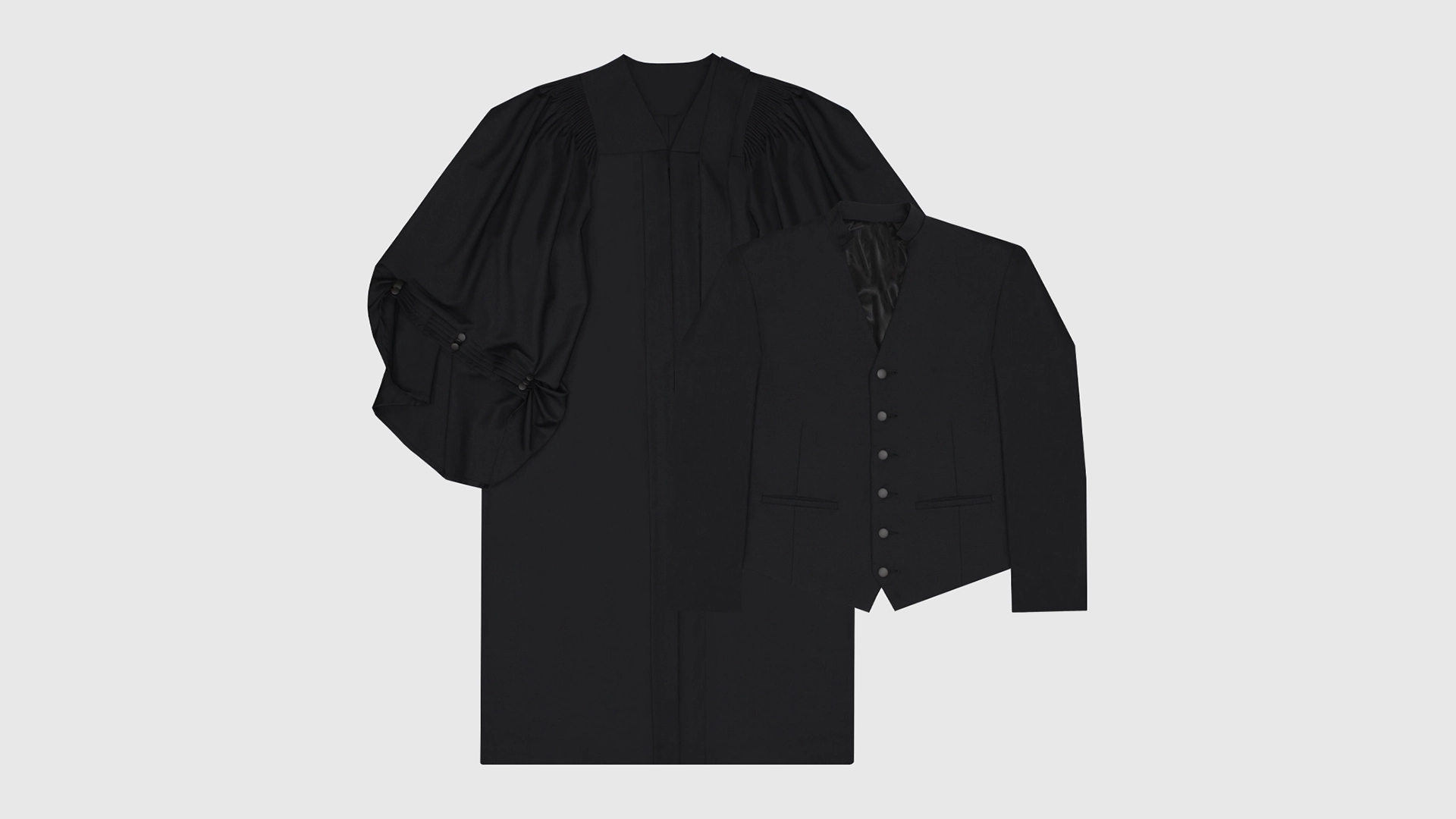


From the days of Henry VII to Elizabeth I, monarchs set out complex dictates on judicial and legal attire that reflected their individual tastes. By the seventeenth century, as countries continued centralizing and codifying legal order in a world without intercontinental communication or travel for most people who were not nobility themselves it became important to systemize customs relating to judges’ clothing so they would be uniform across many different cultures. France has always been very specific about how its lawyers dress. In 1602, France regulated the color of their judges’ robes and even made distinctions for seasons.
Britain was not the only country with confusing and complicated laws. The 1635 Decree by Westminster made a decree that all judges must wear robes from spring to mid-autumn, which were lined in silk or fur. They had deep cuffs on them as well as matching hoods and mantles for warmth since it can get cold during those months. It is interesting to note that the judges’ dress was not unified. The judge’s legal attire consisted of a coif, cap and cornered hat in winter months with taffeta lining or miniver during summer. Special scarlet attire replaced this standard clothing on holy days for priests who wore these garments most often as they were usually required to wear black day-to-day unless specified otherwise by an upcoming ceremony such as Maundy Thursday which calls for white robes. A more specific code governing barristers did exist at this time but it differed from those worn by court judges despite being contemporaries in terms of historical significance (perhaps because their duties would differ).
In the early 1700s, Britain ruled over a vast empire. As they were colonizing America, it was important to their mindset that settlers followed codes and ceremonies of British law. Accordingly, scarlet robes became de rigueur for colonial judges because this color had been used in ceremonial fashion before by wealthy citizens and so these same people could be easily identified as members of higher society when wearing them while on trial or presiding at judicial proceedings. The American colonists did not enjoy the same level of creativity in dress as their British counterparts because they had to endure a puritan and austere lifestyle.