Call to the Bar Ontario 2026 Complete Guide to Ceremony Dates, What to Expect & What to Wear

The Call to the Bar 2026 is the long-awaited ceremony where successful candidates are formally admitted as lawyers by the Law Society of Ontario (LSO). This milestone marks the official start of your legal career as a licensed barrister and solicitor in Ontario.

Official Call to the Bar 2026 Ceremony Dates & Locations

The Law Society of Ontario has scheduled multiple Call to the Bar 2026 ceremonies across the province:

  • Toronto – Monday, March 2, 2026 at Roy Thomson Hall (9:30 a.m.)
  • Ottawa – Monday, June 15, 2026 at Rogers Centre Ottawa (10:00 a.m.)
  • London – Friday, June 19, 2026 at RBC Place London (2:30 p.m.)
  • Toronto – Monday, June 22, 2026 at Roy Thomson Hall (9:30 a.m. & 2:30 p.m.)
  • Toronto – Tuesday, June 23, 2026 at Roy Thomson Hall (9:30 a.m. & 2:30 p.m.)
  • Toronto – Monday, October 19, 2026 at Roy Thomson Hall (9:30 a.m.)

Dates and venues are subject to change. Eligible candidates receive detailed instructions through LSO Connects approximately 3–6 weeks before their ceremony.

What Happens at the Call to the Bar 2026 Ceremony?

During the Call to the Bar 2026, you will:

  • Be called individually by name
  • Take the Lawyer’s Oath
  • Receive your Certificate of Call to the Bar
  • Be welcomed into the legal profession by benchers, judges, and fellow lawyers

It’s a formal, memorable event — often attended by family, friends, and mentors. Many candidates choose the ceremonial call over the administrative option for this special rite of passage.

What to Wear to Call to the Bar 2026 (Ontario Court Attire Guide)

Proper attire is required. Traditional court dress is strongly recommended:

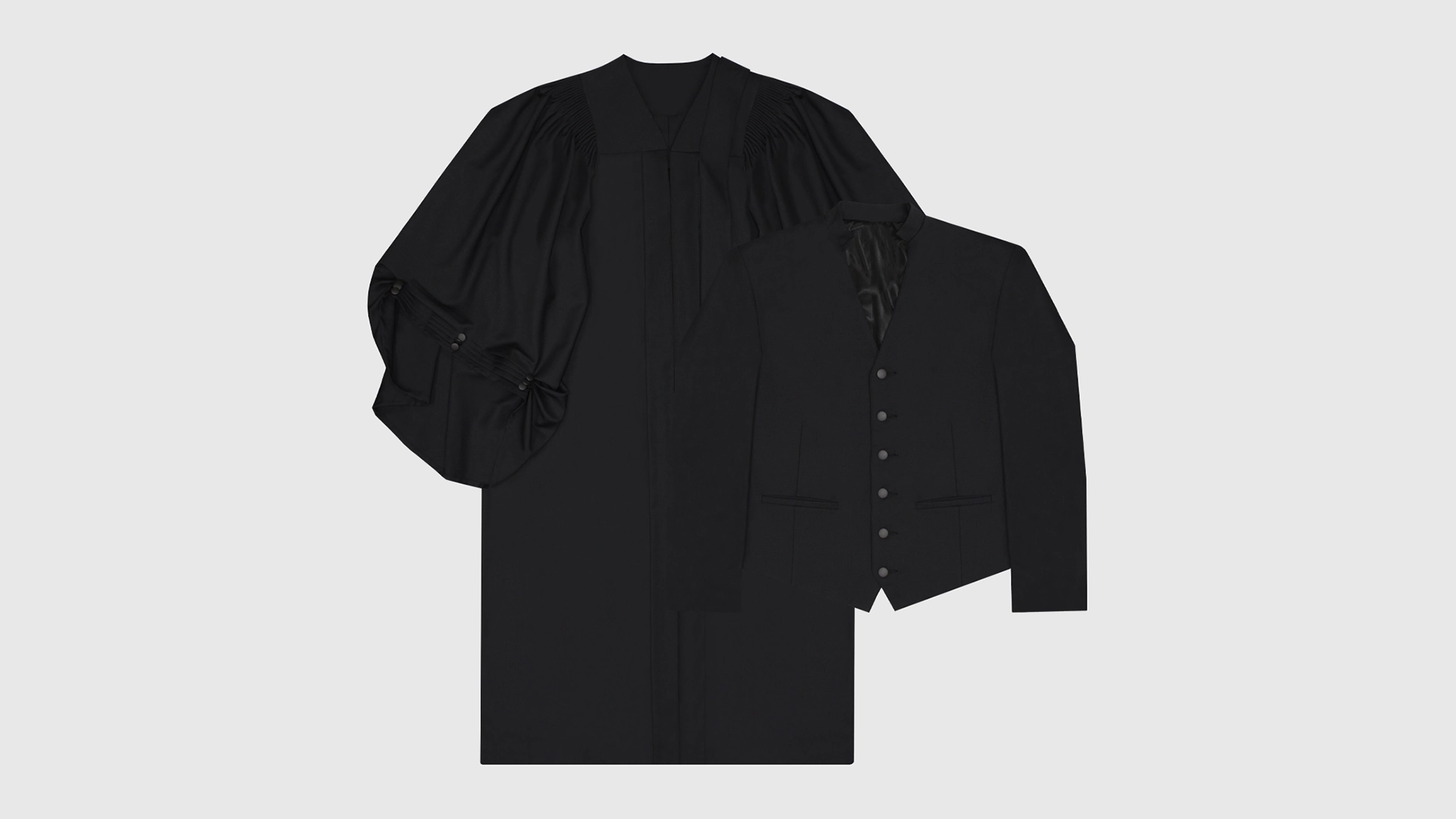
  • Black barrister’s gown (or all-in-one robe package)
  • White collared shirt or blouse
  • Black or dark suit (or professional equivalent)
  • Conservative tie (for those wearing one)
  • Polished black shoes

Many candidates opt for convenient all-in-one Call to the Bar robe packages that include gown, bands, and tabs for a polished, regulation-compliant look.

How to Prepare for Your Call to the Bar 2026

  • Confirm your preferred call date and location via LSO Connects
  • Submit any required forms by the early filing deadline
  • Arrange guest tickets (limited per candidate)
  • Book professional photography and celebration plans in advance
  • Order your barrister’s robe and court attire early to ensure proper fit

Whether you’re being called in March, June, or October 2026, the Call to the Bar represents years of hard work, articling, and licensing exams finally paying off.

Congratulations in advance to the Class of 2026! This is your moment.

Call To The Bar 2025 | Ontario

Call To The Bar 2024 Dates Prospective call to the bar 2024 candidates will be sent a call to the bar information bulletin in their online account 4 to 8 weeks prior to their call to the bar Ontario 2024. Location Date Venue Time Toronto Friday, March 1, 2024 Roy Thomson Hall 9:30 a.m. London Friday, June 14, 2024 RBC Place London 2:30 p.m. Ottawa Wednesday, June 19, 2024 Shaw Centre 10:00 a.m. Toronto Monday, June 24, 2024 Roy Thomson Hall 9:30 a.m. Toronto Monday, June 24, 2024 Roy Thomson Hall 2:30 p.m. Toronto Thursday, June 27, 2024 Roy Thomson Hall 9:30 a.m. Toronto Thursday, June 27, 2024 Roy Thomson Hall 2:30 p.m. Call To The Bar Attendance All eligible candidates must be in attendance for an in-person call to the bar ceremony. At the call, candidates are presented with the Degree of Barrister-at-Law by the Law Society and a Court Certificate of Qualification and are required to swear or affirm the oath required to practise law in Ontario. Candidates may also take an oath of allegiance which is optional. Following the conclusion of the in-person call, the newly called members of the Ontario Bar are entitled to practise law in Ontario, subject to the rules and regulations set out and enforced by the Law Society in its regulatory role, to ensure the competence of the profession. Candidates who are being administratively called are not required to attend in person and do not have a ceremony component to the call process. Instead, all requirements and forms will be sent to those candidates through their online account and are expected to be filed with Licensing and Accreditation electronically by the required deadline. Once the required call documents are submitted by the candidate, Licensing and Accreditation staff will review these documents and the candidate’s file in order to verify and process the information. During peak licensing periods, this may take three to six weeks to complete from the time a candidate submits their call documents. Once licensed, administratively called candidates will be notified through their online account that they have been licensed and can commence practising Ontario law, subject to the rules and regulations set out and enforced by the Law Society of Ontario. Once notified of their licensure, candidates may still practise once they obtain their licensee number from the public directory, even if they have not yet received their printed certificate. CALL TO THE BAR PACKAGES NOW AVAILABLE MEN WOMEN

What are lawyer robes called?

In the legal world, attire plays a pivotal role in symbolizing tradition, authority, and professionalism. One of the most iconic and symbolic pieces of clothing worn by lawyers is the robe. But have you ever wondered what these distinctive garments are officially called and why they hold such significance in the legal profession? In this blog post, we’ll delve into the world of legal attire and explore the name and history behind those distinctive lawyer robes. The Formal Robe: The formal robe worn by lawyers is commonly referred to as a “gown” or “robe.” This piece of attire is a long, flowing garment that is typically black, although variations in color may exist depending on the jurisdiction or the specific occasion. The robe is often made of high-quality materials and is a symbol of the lawyer’s professional status and commitment to justice. Origins of Legal Robes: The tradition of wearing robes in the legal profession dates back centuries. The origins can be traced to the attire worn by scholars and clergy during medieval times. The legal profession adopted this practice, and over time, the robe became a symbol of authority, knowledge, and impartiality. Today, the tradition endures in many countries around the world. The Wig Connection: In some jurisdictions, lawyers also wear wigs as part of their formal attire. The combination of a wig and robe creates a distinctive and instantly recognizable look. The use of wigs has historical roots in British legal tradition, and while they have become less common in many places, the robe itself remains a steadfast symbol of the legal profession. When Are Robes Worn? Lawyers typically wear robes during formal court proceedings, such as trials, hearings, and appellate arguments. The robe is a symbol of the lawyer’s role as an officer of the court and emphasizes the seriousness and decorum of legal proceedings. Outside of the courtroom, lawyers usually dress in more conventional business attire. Variations Across Jurisdictions: While the basic concept of legal robes remains consistent, there can be variations in style, color, and specific details based on the jurisdiction. In some countries, the color of the robe may indicate the type of legal practitioner or the level of the court. Exploring these variations adds an extra layer of intrigue to the world of legal attire. Lawyer robes, or gowns, are more than just clothing; they are a tangible link to the rich history and traditions of the legal profession. These garments, rooted in centuries of legal practice, continue to symbolize the values of justice, impartiality, and professionalism. Understanding the significance of lawyer robes provides a glimpse into the unique and storied world of legal attire.

What Do Canadian Lawyers Wear?

In the world of law, professionalism and attire go hand in hand. A lawyer’s wardrobe not only reflects their personal style but also conveys a sense of authority and respect. While the legal profession is known for its adherence to tradition, there’s often curiosity about the specific dress code, especially in diverse legal landscapes like Canada. Courtroom Attire: For many lawyers, the courtroom is their stage, and what they wear significantly influences the impression they make on judges, clients, and juries. In Canadian courtrooms, a conservative and professional dress code is generally observed. Male lawyers often opt for a dark suit, a white or light-colored dress shirt, and a subdued tie. Women typically wear formal business attire, such as a tailored suit or a dress with a blazer. Business Casual: Outside the courtroom, the dress code tends to be more relaxed. Many Canadian law firms have adopted a business casual dress code for day-to-day office activities. This may include khakis, dress shirts, blouses, and blazers. While the atmosphere might be less formal, lawyers still maintain a polished and put-together look. Cultural Diversity: Canada is known for its cultural diversity, and this is reflected in the legal profession as well. Lawyers from various cultural backgrounds may incorporate elements of their heritage into their attire. For example, some may choose to wear clothing that reflects their cultural identity during non-courtroom hours, adding a touch of diversity to the legal fashion landscape. Seasonal Considerations: Given Canada’s diverse climate, lawyers need to adapt their wardrobes to different seasons. In colder months, lawyers often don classic wool overcoats, scarves, and gloves. In warmer weather, breathable fabrics and lighter colors become more prevalent. Adapting to seasonal changes while maintaining a professional appearance is a skill many Canadian lawyers master. Gender-Neutral Fashion: As societal norms evolve, so does the legal profession’s approach to fashion. There’s a growing trend towards gender-neutral fashion in the legal world. This may include tailored suits, neutral colors, and accessories that defy traditional gender expectations, allowing lawyers to express their individuality while adhering to professional standards. While tradition plays a significant role in the Canadian legal profession, there is room for individual expression and adaptation to modern trends. Canadian lawyers skillfully navigate the delicate balance between traditional courtroom attire and contemporary, diverse fashion choices. Ultimately, their clothing serves as a visual representation of their professionalism, respect for the legal process, and commitment to justice.

The Wig With Legal Attire

Have you ever wondered why judges wear wigs? It seems like a strange fashion statement, but it is actually tied to the history of legal attire. In centuries gone by, judicial legal attire was always in step with popular fashions and styles so that people could better identify members of the legal community on sight alone. The development from long sleeves dresses and ruffles into spiky black caps were all about responding to what society wanted at any given time.

In recent years some have even suggested putting politics back into courtroom appearances alongside formal wear, while others claim this would make for an overly-showy environment which jurists should avoid altogether. Wigs were a new fad in Western fashion during the seventeenth century. Made from either human or horsehair, they sat very high at the crown and cascaded over your shoulders with curls. Judges started to wear these fashionable wigs when wearing their robes because of how popular they became among wealthy gentlemen who could afford them as well as judges themselves.

Wigs were all the rage in late seventeenth century Europe, but by mid-eighteenth century they had fallen out of fashion with everyone except for legal professionals. This trend continued into early nineteenth century as well and soon wigs became an essential part of a lawyer’s uniform. For centuries, judges and lawyers in Britain have worn elaborate wigs to symbolize their authority. Today the Queen’s Counsel still wear full-bottomed wigs for ceremonial occasions while bench wig is customary for daily courtroom proceedings. Barristers are known as “bar” because they sit at a bar or railing that separates them from witnesses on one side and members of the public on another; these 16th century professionals continue this tradition with tie-wig which sits back from forehead exposing hairline but not scalp like earlier styles.

Legal Attire In British Columbia

Students must complete the Law Society Admission Program satisfactorily before applying for call and admission to the Bar.  At least 30 days before their anticipated licence date, students must submit an application package for call and admission which includes:

  • Petition for Call and Admission
  • Declarations of Principles and Applicants
  • Joint Final Report signed by both the student and principal
  • An indemnity or non-practising membership application
  • Completed Fee Option sheet and applicable payment

After completion of all requirements for call and admission and approval of appropriate documentation, the student must take the barristers and solicitors oath prior to becoming eligible for practice.

Transfers

Lawyers transferring to BC must complete the transfer process. To be called and admitted in BC, a transfer candidate must either:

  • Attend a call ceremony and be presented in open court; or
  • Before beginning the practice of law, take the barristers and solicitors oath before a judge or a practising lawyer.

A candidate opting to take the oath before a judge or practising lawyer will not be entitled to renew his or her practising certificate until after having attended a call ceremony.

Call to the bar ceremonies 

New lawyers must be presented to the court in a call and admission ceremony, although they do not need to attend that ceremony prior to issuance of their practising certificate. Presentation to the court is required, however, before the first renewal of a certificate (i.e., before the end of the calendar year in which the new lawyer qualifies for call and admission).

As an exception, if a new lawyer qualifies for the first time in the last four months of the calendar year, the new lawyer may have his or her certificate renewed once without presentation in court. The lawyer must be presented to the court before the end of the calendar year after the one in which he or she qualifies for call and admission.

When a new lawyer applies for call and admission he or she will be informed of the options available for presentation to the court.

Approximately 30 days before a call ceremony, eligible candidates will receive a confirmation email with the ceremony details, schedule and instructions for the day. This email also includes information about obtaining robes.

Vancouver call ceremonies are held 4 times a year in the Great Hall at the Vancouver Law Courts. Customarily, there is one ceremony in the morning and one held in the afternoon.

British Columbia Call To The Bar Packages

Men Women

Required court apparel for call

Every candidate for call to the bar must appear before Convocation in full court apparel, which consists of:

Legal attire for men

Legal attire for women

Candidates are encouraged to make arrangements to either purchase or rent court apparel at least one and a half months before the call to ensure they will have full court apparel for the day of the ceremony.

The clothes worn to the call to the bar in Ontario are the same that are worn for a court appearance in many common law jurisdictions around the world. Variations on this legal wear go back to the 17th century and derive from the style of clothing worn by nobles at the time. When fashion changed, some professions, including the law, retained them as a symbol of their professional identity. Legal dress expresses the dignity of the court and as such, needs to be worn appropriately. It is generally bad form to wear your robe outside of the courthouse.

Court dress is worn at the call to the bar because new Barristers-at-Law are being presented to the courts at the ceremony. In the early days of the Law Society this was done by walking from Convocation Room to the other side of Osgoode Hall. Today, a Special Sitting of the Court of Appeal for Ontario and the Superior Court of Justice is convened wherever the ceremony takes place. As a result of this procedure, the gowning rules of both the Superior Court of Justice and the Court of Appeal for Ontario apply to new Barristers-at Law present at the call to the bar ceremony.

Attendance

All eligible candidates must be in attendance for a call to the bar. At the call, candidates are presented with the Degree of Barrister-at-Law by the Law Society, a Court Certificate of Qualification and are sworn to the oath.

The Oath to be taken can be accessed on the Law Society website By-Law 4, Sections 22, 23(1) and 24 (optional), respectively).

Following the conclusion of the call, the newly called members of the Ontario Bar are entitled to practise law in Ontario, subject to the rules and regulations set out and enforced by the Law Society in its regulatory role, to ensure the competence of the profession.

Documents to be filed

To be eligible for call to the bar, the Law Society requires that the following documents be executed correctly and present in the candidate’s file. (Mobility and Transfer candidates may not require all of these documents. Please contact the Licensing Process, Licensing and Accreditation Department for further information):

  • Application for the Licensing Process duly signed and commissioned/notarized;
  • Certified proof of legal name;
  • Official law transcript or NCA certificate (issued directly from the institution to the Licensing Process, Licensing and Accreditation Department) that confers the LL.B./J.D./NCA;
  • Two recent passport photos;
  • Certified proof of legal name change (if applicable);
  • All articling documents including:  
    • Articles of Clerkship
    • Certificate of Service Under Articles
  • All candidates must complete a “Petition For Call to the Bar and Certificate of Fitness Form”. The document must be fully completed, signed and witnessed. Only originals will be accepted. This document will be made available at the signing of the Rolls.
  • Law Deans/Professors must file a “Petition For Call to the Bar and Certificate of Fitness Form (Admission Under By-Law 4 made under the Law Society Act – Without Examination)”. The document must be fully completed, signed and sworn before a commissioner for the taking of oaths. Only originals will be accepted.  
  • Transfer Candidates must file a “Petition For Call to the Bar and Certificate of Fitness Form (Transfer from Another Province or Territory of Canada)”. This document should be submitted to the Licensing Process, Licensing and Accreditation Department once they have been approved for call. Only originals will be accepted.
  • Transfer, Mobility and Academic candidates for call to the bar must complete and submit the “Member’s Record Input Form” before being called to the bar. This document may be sent by fax. Member’s Record Input Form (PDF)  

Who is eligible for call to the bar?

Candidates who have completed the Licensing Process, mobility & transfer candidates (licensed in other Canadian jurisdictions), and law deans/professors (from approved Ontario law schools) who successfully complete all requirements of the Law Society, are eligible for call to the bar.

Licensing Process Candidates

To be eligible for call to the bar all candidates must:

  • Successfully completed all components of the Licensing Process as required
  • Paid all Law Society fees, including the call to the bar fee
  • Filed the required documents
  • Be of good character, as required by section 27(2) of the Law Society Act – candidates have a continuing obligation to keep the responses to the questions set out in the Good Character Section of their Application current, complete and correct prior to the date of call
  • Submitted all the required call to the bar related documents

Mobility & Transfer Candidates

Transfer candidates are eligible for call to the bar who have met the requirements for admission as set out in By-Law 4, Section 9(2)(a)(i)(ii)(iii) respectively and have:

  • Submitted all documents and fees related to making application for admission to the Law Society of Ontario as required by the Administrative Compliance Processes Department (ACP)
  • Paid the Licensing Examination fees, where applicable
  • Passed the required transfer examinations, where applicable
  • Submitted all call to the bar related documents
  • Paid all fees including the call to the bar fee