


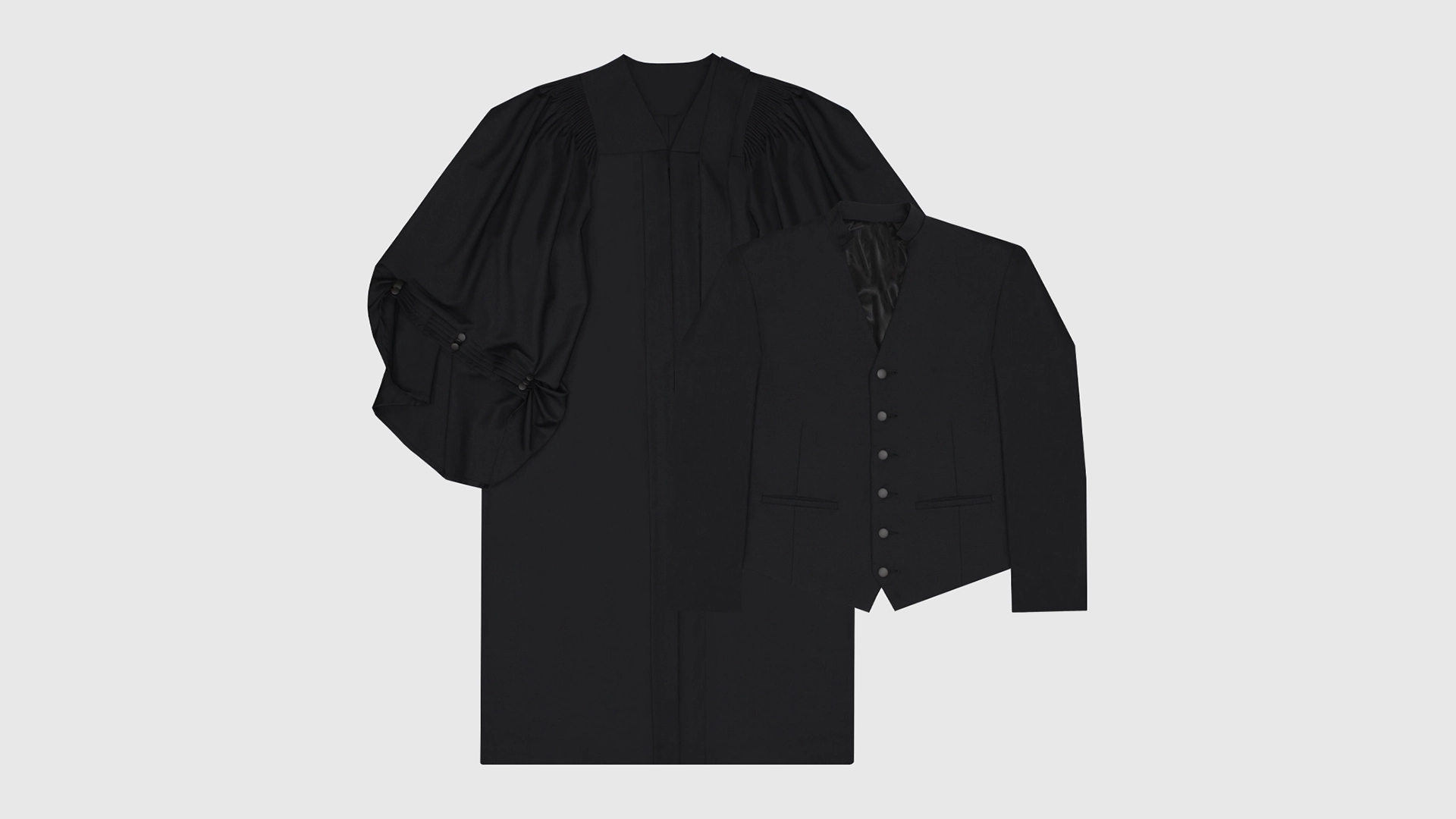


The dress code for lawyers in Canada generally adheres to formal business attire. Here are some common expectations for lawyers’ attire in different settings:
-
Court Appearance:
-
Lawyers: When appearing in court, lawyers typically wear formal business attire. This includes a dark-colored suit (navy, black, or gray), a dress shirt, and a tie for men. Women may opt for a tailored pantsuit, skirt suit, or a professional dress. The style may vary, but conservative and professional choices are standard.
-
Robes: In some court settings, lawyers may wear robes, especially in more formal proceedings. The style and color of robes can vary by province or territory.
-
-
Law Firm and Corporate Settings:
-
Lawyers: In law firms and corporate legal departments, lawyers often follow a business professional dress code. This typically includes suits for both men and women. Conservative and neutral colors are preferred.
-
Accessories: Ties, scarves, and other accessories should be conservative and professional. Men are generally expected to wear a tie, and women may choose accessories that complement their attire without being overly flashy.
-
-
Casual Fridays and Business Casual:
- Some law firms and legal workplaces may have “Casual Fridays” or adopt a business casual dress code on certain days. In such cases, lawyers may have some flexibility in their attire, but professionalism should still be maintained.
-
Client Meetings:
- For client meetings, lawyers often choose attire that aligns with the formality of the occasion. While business professional is common, it may be adjusted based on the nature of the client relationship and the specific context.
-
Legal Conferences and Networking Events:
- Lawyers attending conferences, seminars, or networking events typically opt for business professional or business casual attire, depending on the event’s formality.
It’s essential to note that specific dress codes can vary between jurisdictions and individual workplaces. Additionally, evolving trends in professional attire may influence the expectations in different legal settings. It’s advisable for lawyers to be aware of any specific dress code policies established by their law firms, legal organizations, or the courts in which they practice. Always check for the most up-to-date guidelines and expectations in your particular jurisdiction.