


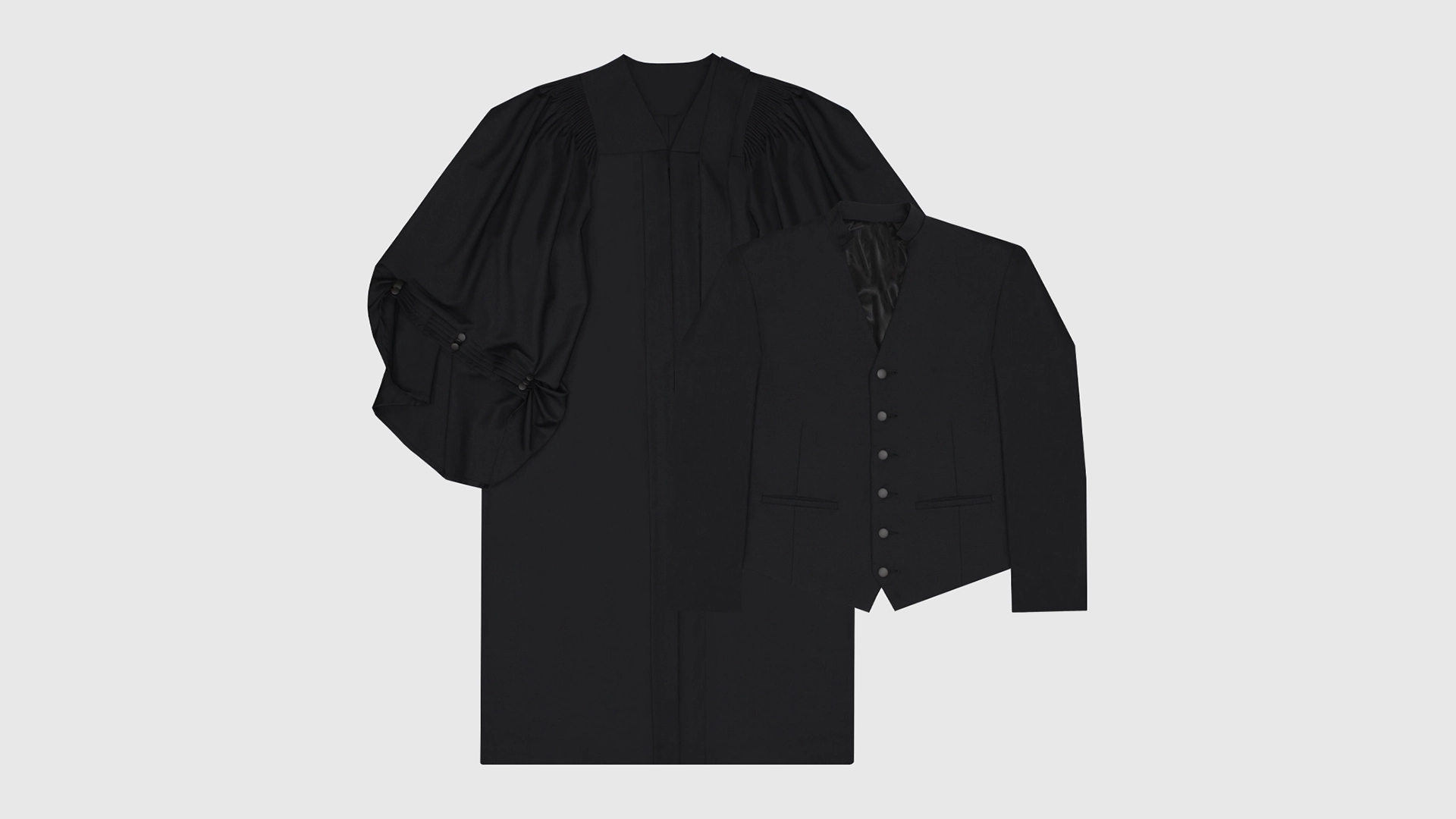


In the United States, judges are allowed to wear anything that they want as long as it is professional. In Europe and other countries around the world, this isn’t always true. Judges have been given more freedom in recent years about what type of clothing they can wear. Judges used to be required by law or court rules to dress a certain way when presiding over cases but now many different types of legal attire are acceptable for them depending on their preference if not prohibited outright. Judges in Britain have made the decision to dispense with wigs and robes upon certain situations when they want to convey a feeling of equality toward laypersons, and Muslim and Sikh judges wear their turbans instead of wigs. In 1999, a time when the U.S. was in turmoil due to President William Jefferson Clinton’s impeachment trial and American Supreme Court Justice, Rehnquist wore gold stripes on his robes while fellow judge Byron Jonson chose blue instead of black as an individual means of personal expression during this period of uncertainty for America.
Modernization has also included the exercise by individuals within judicial systems all over the world have exercised their own tastes. Throughout history with mixed results typically related to culture-specific customs or protocols that may not be appropriate everywhere else, such as wearing different colored robes than what is normally seen in other areas where they reside based upon either cultural preferences or just simply because it gives them something unique about themselves. This reflects who they are inside outwards through clothing alone.
What is the significance of judicial and legal attire in today’s society? For many, it symbolizes a time when people were oppressed by unjust laws. But for others, they represent lawyers who are taking part in their communities through social justice issues such as homelessness or education access. In recent years there has been an increased discussion on how judges should appear before court proceedings. There have been instances where justices refused to wear robes because they felt that being dressed up was unnecessary considering what they do all day at the office – which can be anything from doing this writing to reading briefs filed with them and sitting down for oral arguments about different cases involving citizens’ rights violations like discrimination based on race or gender identity. Personal injury due to faulty products including negligence resulting In 1992, the judicial system in Britain debated how to be more relevant and modern. One of their ideas was changing legal attire – specifically wigs were abolished from courtrooms ten years ago but are still worn by judges today.
In addition to being a visual guide for members of the legal profession, judges and barristers in their traditional occupational dress reminds society about the dignity and gravity of law as well as impartiality. It also acts like an invisibility cloak when they are outside of courtrooms so that they can protect themselves from danger. Judicial attire is one of many burning issues in the court system. Not only are these clothes cumbersome, they also make it difficult to address cases quickly and efficiently. Some say that we should disband with such formalities; others suggest a more relaxed approach for today’s society where people don’t want their government looking too stuffy or traditionalistic. These discussions have been going on for centuries and will probably continue as long as there is an institution called “government.”Judicial attire has always been something debated among legal officials who try to balance tradition with modernity wherever possible while still maintaining justice at its core – whatever form this may take.